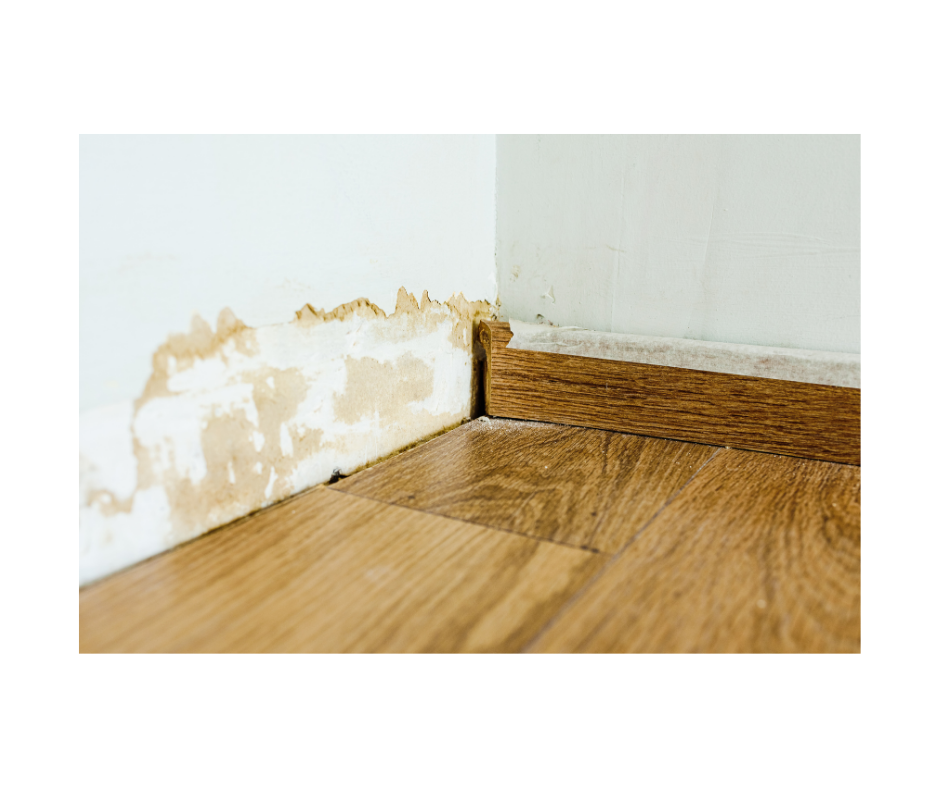
ater damage rarely announces itself politely. Every hour standing water sits increases both structural risk and the odds of mold taking hold — the approach is extraction first, documentation second, drying third. Referral hotline: your call is routed to a licensed, insured local restoration company.
Sagaponack, on the East End, borders or sits near Wainscott, Sag Harbor and East Hampton. Sandy caused an enormous amount of erosion along the main dune in Sagaponack, according to local reports.
With so many seasonal residents, caretakers and neighbors are often the ones who find the damage. Bigger floor plans and more fixtures mean a failure in a rarely used wing can do extensive damage before anyone notices. Reopening a closed-up house in spring is a common moment for a hidden supply-line failure to show itself.
For Sagaponack property owners, that means starting extraction and drying early and documenting the loss carefully for the claim.
Crews also serve nearby Wainscott, Sag Harbor and East Hampton. Crews also handle fire and smoke damage in Sagaponack and mold remediation in Sagaponack.
A backup is sewage, not clean water, so crews contain the area, remove affected materials, and sanitize. Coverage for sewer or septic backup varies by policy, so ask your carrier.
Drying continues until moisture readings return to acceptable levels, which varies with each job.
That depends on the water source and the damage. Contaminated water or electrical hazards can make a home unsafe, and crews can advise after a quick assessment.
Crews handle sewage backups with containment, removal, and sanitization of affected areas.
Water damage found after a house has been closed up is usually extensive, so start drying quickly and document the loss for your insurance.
Free on-site evaluation and direct insurance billing for Sagaponack properties.
Call 516-928-7731