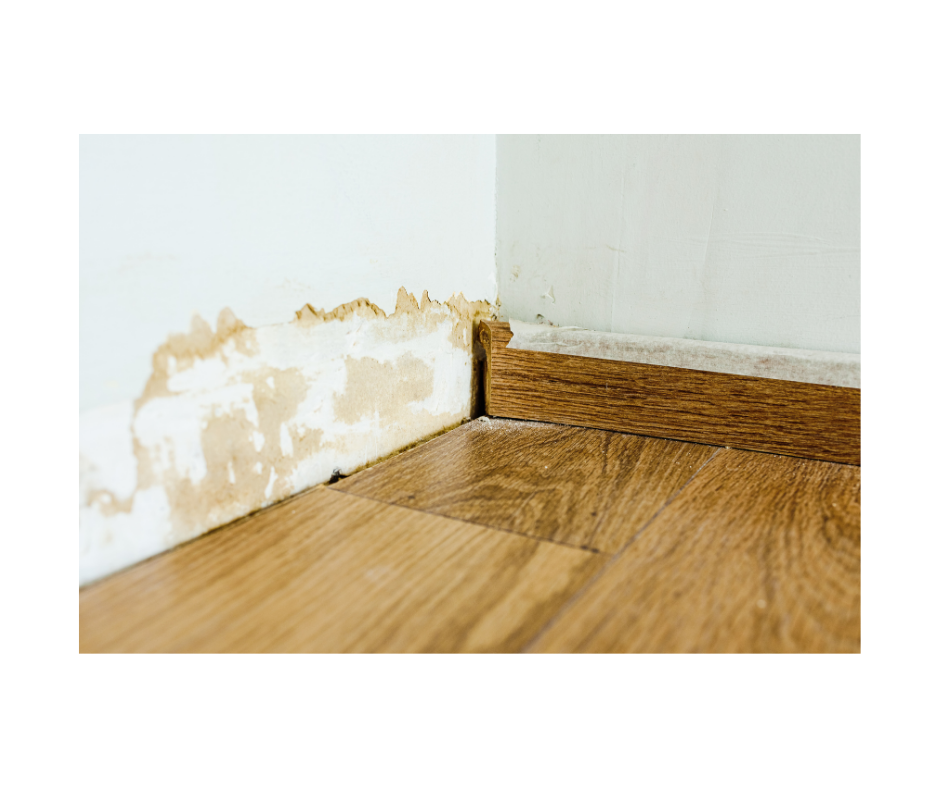
ater damage rarely announces itself politely. Every hour standing water sits increases both structural risk and the odds of mold taking hold — the approach is extraction first, documentation second, drying third. Referral hotline: your call is routed to a licensed, insured local restoration company.
East Hampton (11937) sits on the East End, with Amagansett, Wainscott and Montauk nearby. Second homes are a defining feature of the East End, and leaks in closed-up houses often run unnoticed.
Storm outages, like the one Isaias caused in August 2020, are a common reason sump pumps fail when they are needed most. In a community with many seasonal residents, water damage is often discovered late, after a leak has had time to spread. Properties close to the ocean or bay face wave and surge flooding in addition to ordinary leaks.
For East Hampton property owners, that means starting extraction and drying early and documenting the loss carefully for the claim.
Nearby areas served include Amagansett, Wainscott and Montauk. Crews also handle fire and smoke damage in East Hampton and mold remediation in East Hampton.
A backup is sewage, not clean water, so crews contain the area, remove affected materials, and sanitize. Coverage for sewer or septic backup varies by policy, so ask your carrier.
That depends on the water source and the damage. Contaminated water or electrical hazards can make a home unsafe, and crews can advise after a quick assessment.
Prompt extraction and controlled drying can save many floors and walls. Porous materials soaked for days are harder to save.
Water damage found after a house has been closed up is usually extensive, so start drying quickly and document the loss for your insurance.
Drying continues until moisture readings return to acceptable levels, which varies with each job.
Free on-site evaluation and direct insurance billing for East Hampton 11937 properties.
Call 516-928-7731