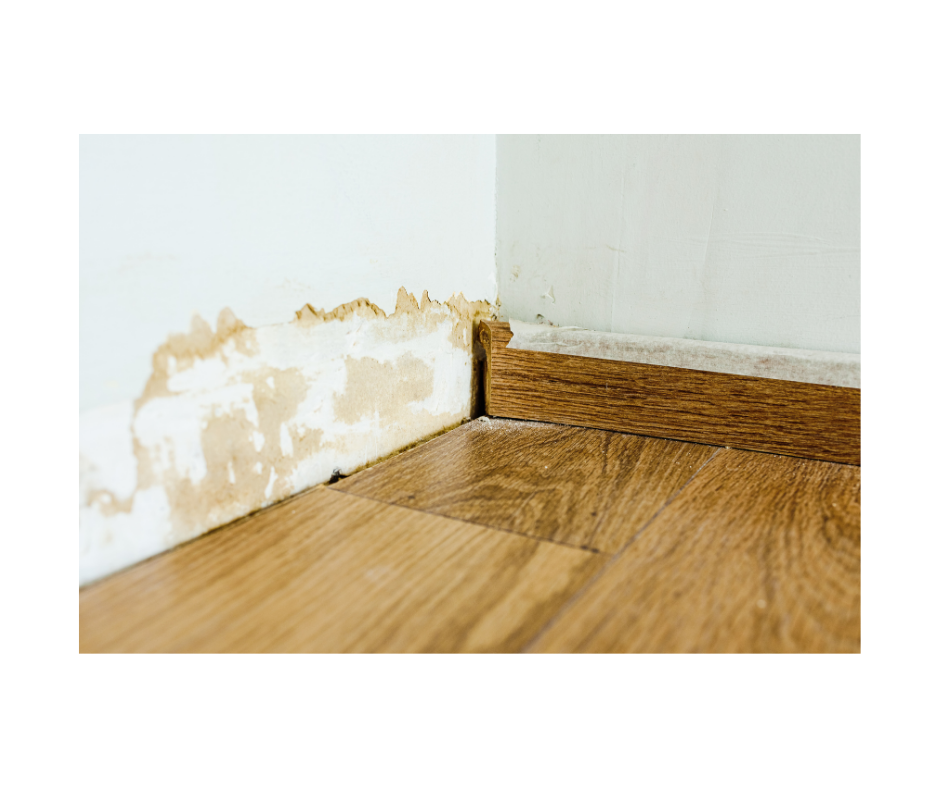
ater damage rarely announces itself politely. Every hour standing water sits increases both structural risk and the odds of mold taking hold — the approach is extraction first, documentation second, drying third. Referral hotline: your call is routed to a licensed, insured local restoration company.
Montauk (11954), on Long Island's East End, borders or sits near Amagansett, East Hampton and Wainscott. During Hurricane Sandy, ocean water breached dunes in downtown Montauk.
Second homes are a defining feature of the East End, and leaks in closed-up houses often run unnoticed. In a community with many seasonal residents, water damage is often discovered late, after a leak has had time to spread. Reopening a closed-up house in spring is a common moment for a hidden supply-line failure to show itself.
For Montauk property owners, that means starting extraction and drying early and documenting the loss carefully for the claim.
Crews also serve nearby Amagansett, East Hampton and Wainscott. Crews also handle fire and smoke damage in Montauk and mold remediation in Montauk.
Coverage depends on the cause and your policy. Sudden events are commonly covered, and crews provide documentation for the claim.
Moisture left in walls and under floors encourages mold and can warp flooring and swell framing, so complete drying matters.
Safety depends on contamination and electrical conditions. Crews assess the situation and advise on whether to stay.
Sewage from a failed cesspool or septic system needs containment and sanitizing, not just drying. Many policies treat backups separately, so check what yours covers.
Water damage found after a house has been closed up is usually extensive, so start drying quickly and document the loss for your insurance.
Free on-site evaluation and direct insurance billing for Montauk 11954 properties.
Call 516-928-7731