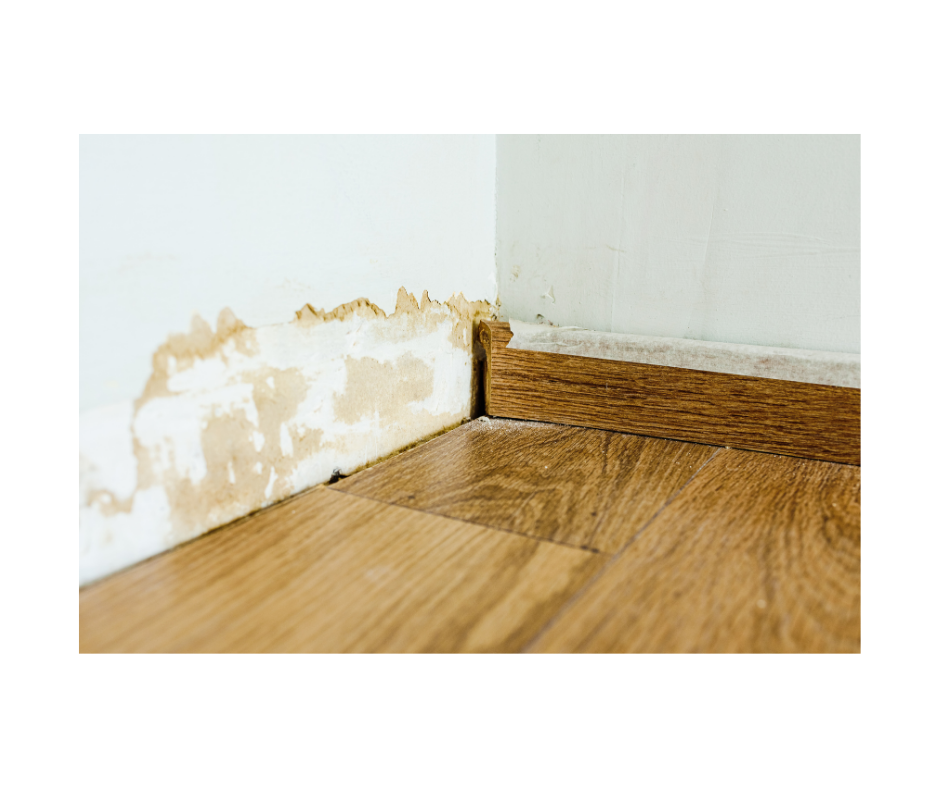
ater damage rarely announces itself politely. Every hour standing water sits increases both structural risk and the odds of mold taking hold — the approach is extraction first, documentation second, drying third. Referral hotline: your call is routed to a licensed, insured local restoration company.
New Suffolk, on the North Fork of Long Island, borders or sits near Southold, Cutchogue and Greenport. New Suffolk's waterfront was among the Peconic Bay shorelines that flooded during Hurricane Sandy.
Many homes on the East End are seasonal, and water damage in a house that sits empty tends to be found late. Properties close to the bay or tidal creeks are exposed to flooding that inland homes never see. Houses on the North Fork range from old farmhouses to bayfront cottages, each with its own water problems.
For New Suffolk property owners, that means starting extraction and drying early and documenting the loss carefully for the claim.
Nearby areas served include Southold, Cutchogue and Greenport. Crews also handle fire and smoke damage in New Suffolk and mold remediation in New Suffolk.
Yes, sewage cleanup is included, with sanitizing and proper disposal of contaminated materials.
Call as soon as it is found, shut off the water if you can do so safely, and photograph everything. Damage in an empty house has often been spreading for a while.
Yes. Salt-water flooding calls for extraction, removal of contaminated materials, sanitizing, and thorough drying, and documentation matters for flood-policy claims.
Prompt extraction and controlled drying can save many floors and walls. Porous materials soaked for days are harder to save.
That depends on the water source and the damage. Contaminated water or electrical hazards can make a home unsafe, and crews can advise after a quick assessment.
Free on-site evaluation and direct insurance billing for New Suffolk properties.
Call 516-928-7731