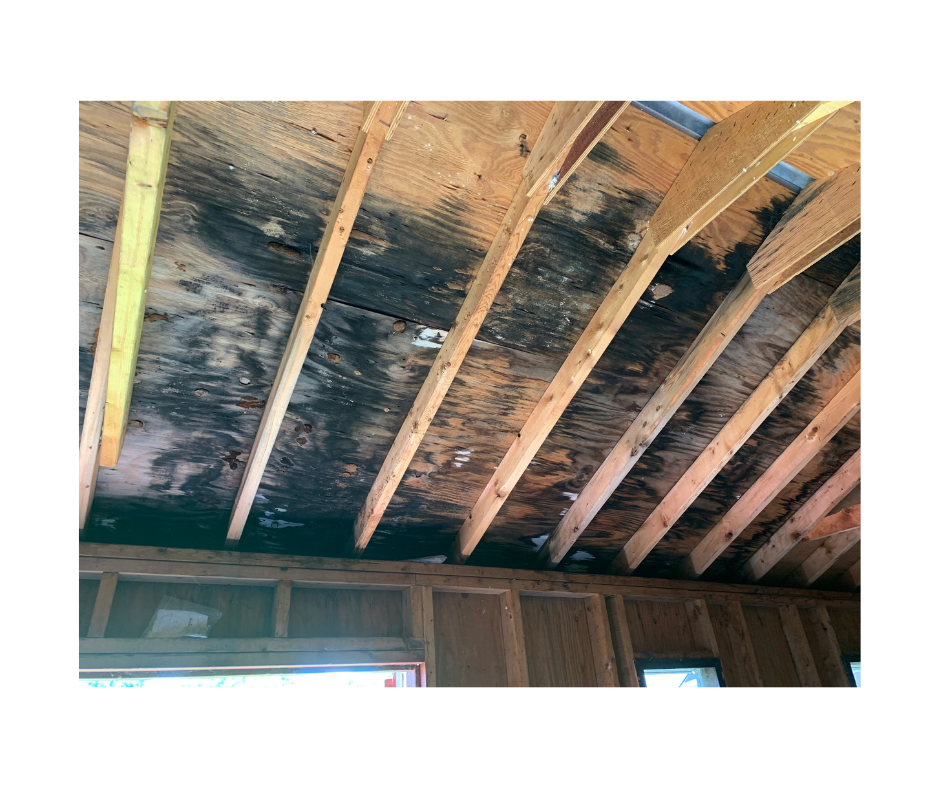
old remediation, done properly, begins with locating the moisture source — not simply the visible growth. Containment, removal, and correcting the underlying cause are what keep it from returning. Referral hotline: your call is routed to a licensed, insured local restoration company.
East Islip (11730), on Suffolk's South Shore, borders or sits near Great River, Islip and Oakdale. Homes that took on bay water during Sandy in 2012 often developed hidden mold where drywall and insulation stayed damp.
Mold after the August 2014 flood became common where basements stayed damp. A moisture survey shows where dampness is hiding, so remediation can target the source and not just visible growth. Coastal humidity in East Islip means damp materials dry slowly, and mold takes advantage of that window.
Knowing these local patterns helps crews in East Islip check the likely hiding spots, not just the visible staining.
The same crews cover nearby Great River, Islip and Oakdale. Crews also handle water damage in East Islip and fire and smoke damage in East Islip.
It shouldn't if the moisture source is corrected. Remediation pairs removal with drying and moisture control.
Small areas may be manageable, but extensive growth or mold inside walls calls for professional remediation.
Some people are more sensitive than others, and mold can trigger allergy and breathing symptoms. Remediation removes it safely and reduces exposure.
Yes, if materials stay wet. Drywall, insulation, and flooring that were soaked can grow mold within days unless they are dried or removed.
Duration depends on the size and location of the growth, and crews give a clearer estimate after inspection.
Free on-site evaluation and direct insurance billing for East Islip 11730 properties.
Call 516-928-7731