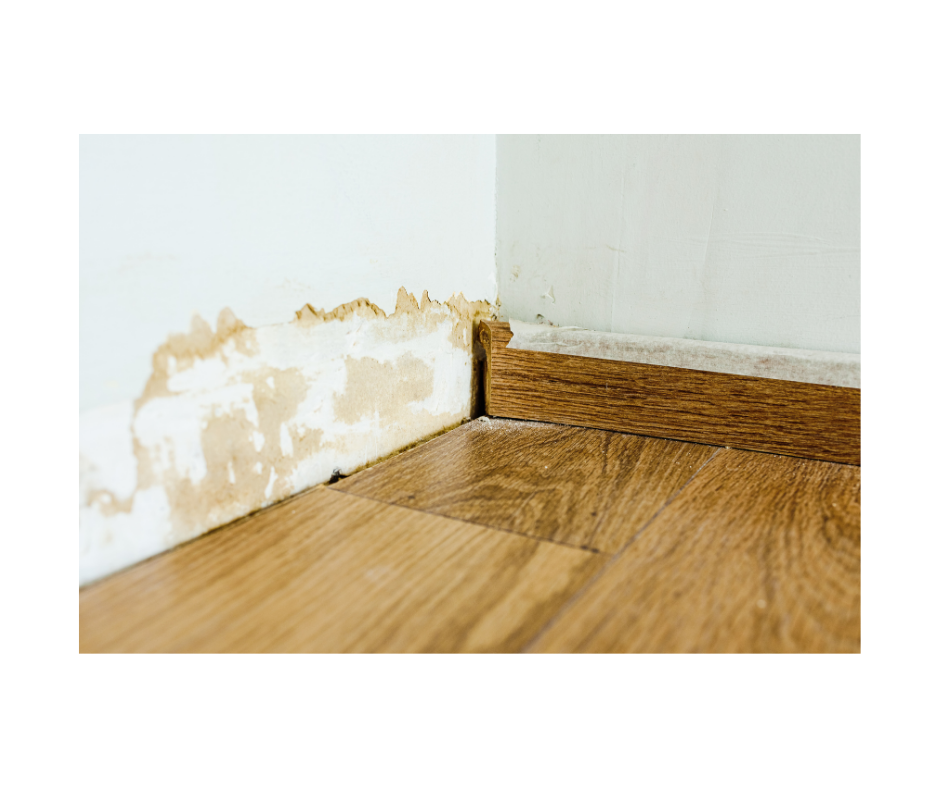
ater damage rarely announces itself politely. Every hour standing water sits increases both structural risk and the odds of mold taking hold — the approach is extraction first, documentation second, drying third. Referral hotline: your call is routed to a licensed, insured local restoration company.
Cold Spring Harbor (11724) is one of the communities on Suffolk's North Shore; neighboring areas include Huntington, Centerport and Greenlawn. North Shore harbors flooded during Hurricane Sandy, with low-lying shoreline areas seeing 2 to 4 feet of water.
North Shore properties like those in Cold Spring Harbor often sit on sloping ground, which sends runoff toward foundations in heavy rain. Stone and block basements common on the North Shore allow more moisture through than newer construction. Older plumbing in established neighborhoods, including galvanized and cast-iron lines, tends to fail at joints and fittings.
Knowing these local patterns helps crews in Cold Spring Harbor look in the right places first and avoid repeat problems.
The same crews cover nearby Huntington, Centerport and Greenlawn. Crews also handle fire and smoke damage in Cold Spring Harbor and mold remediation in Cold Spring Harbor.
A backup is sewage, not clean water, so crews contain the area, remove affected materials, and sanitize. Coverage for sewer or septic backup varies by policy, so ask your carrier.
Drying time varies with the extent of water, the materials, and conditions, and it is monitored until moisture readings reach normal levels.
Prompt extraction and controlled drying can save many floors and walls. Porous materials soaked for days are harder to save.
If it is safe, stop the water source, turn off power to affected areas, and move valuables to a dry place. Take photos for your insurance claim.
Crews handle bay and surge flooding, which involves salt water and debris and usually needs more than drying alone.
Free on-site evaluation and direct insurance billing for Cold Spring Harbor 11724 properties.
Call 516-928-7731